

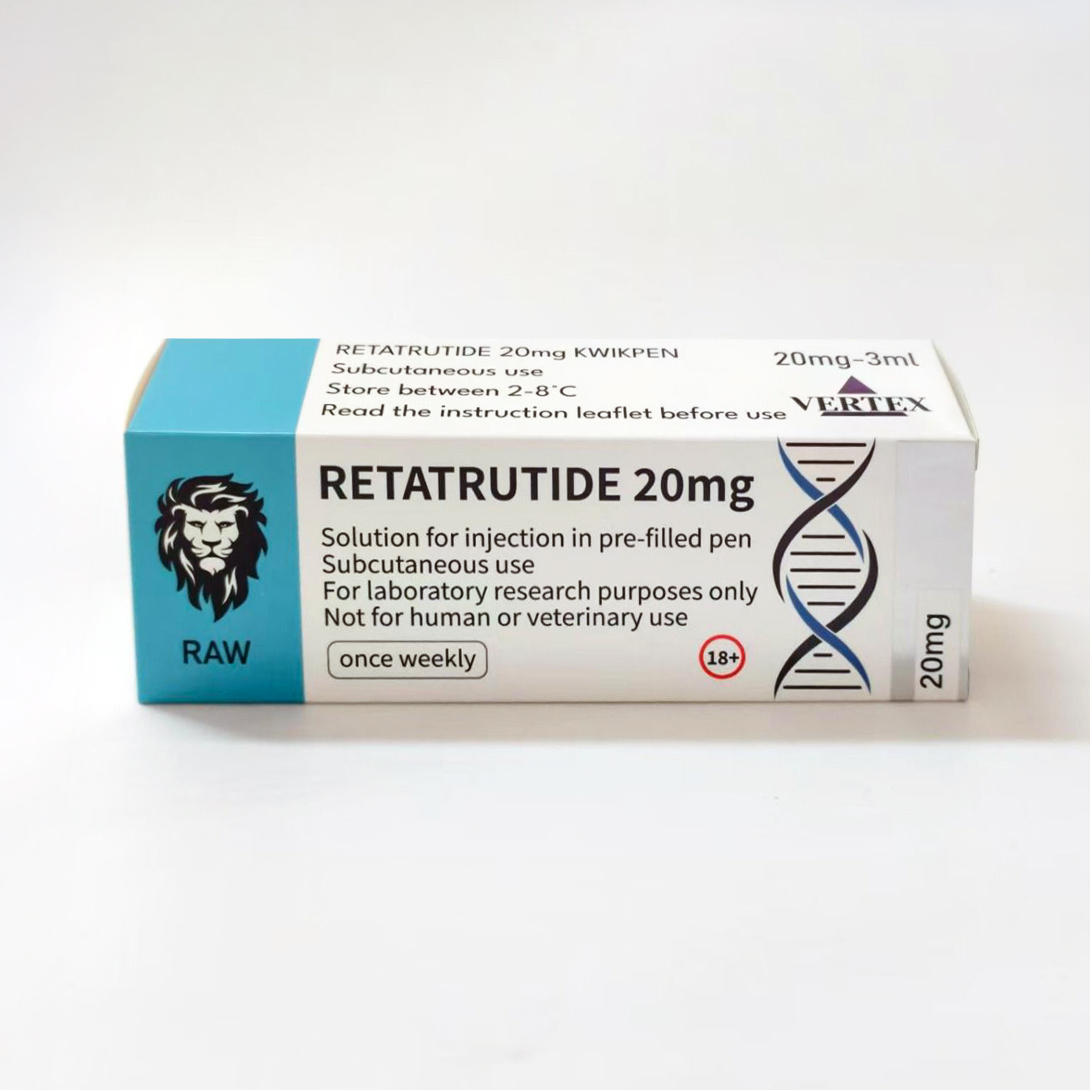
Raw Retatrutide Peptide 20mg
Original price was: $150.00.$120.00Current price is: $120.00.
Raw Retatrutide Peptide 20mg (R&D Only)
Raw Retatrutide Peptide 20mg is a high-purity, triple-receptor research peptide targeting GIP, GLP-1, and glucagon pathways. Ideal for advanced metabolic studies, this lab-grade Retatrutide 20mg compound delivers precision and consistency for serious scientific research.
Raw Retatrutide Peptide 20mg: Research Overview, Mechanism, and Laboratory Considerations
Raw Retatrutide Peptide 20mg has emerged as one of the most closely studied investigational peptides in metabolic research. Unlike earlier peptide candidates that primarily target one or two metabolic pathways, retatrutide is being investigated as a triple receptor agonist, interacting with glucagon-like peptide-1 (GLP-1), glucose-dependent insulinotropic polypeptide (GIP), and glucagon receptors. This unique pharmacological profile has made it an important subject of ongoing scientific research into obesity, metabolic disorders, and glucose regulation.
Laboratory preparations labeled as Raw Retatrutide Peptide 20mg are generally intended for research use only (RUO). They are used in qualified laboratory settings for analytical research, assay development, stability testing, and other scientific investigations. These materials are not approved for human consumption or self-administration.
What Is Raw Retatrutide Peptide (20mg)?
Raw Retatrutide Peptide 20mg refers to an investigational peptide supplied as a laboratory reagent, commonly in lyophilized (freeze-dried) form. Researchers study its chemical stability, receptor activity, and pharmacological properties under controlled laboratory conditions.
Its growing scientific interest comes from its ability to activate three separate metabolic signaling pathways simultaneously, making it different from earlier investigational compounds.
Mechanism: The Triple Agonist (GLP-1, GIP, and Glucagon Receptors)
Raw Retatrutide Peptide 20mg is designed to interact with three receptor systems:
- GLP-1 receptors, which are involved in glucose regulation and appetite signaling.
- GIP receptors, which influence insulin secretion and metabolic regulation.
- Glucagon receptors, which play roles in energy expenditure and lipid metabolism.
Researchers are evaluating whether simultaneous activation of these pathways may produce metabolic effects that differ from single- or dual-receptor agonists. Although early clinical research has shown promising findings, additional studies remain necessary to establish long-term safety and efficacy.
Retatrutide vs. Tirzepatide and Semaglutide: Scientific Differences
Scientists often compare retatrutide with other investigational and approved therapies because of their related mechanisms.
- Semaglutide primarily targets GLP-1 receptors.
- Tirzepatide activates both GLP-1 and GIP receptors.
- Retatrutide is unique because it activates GLP-1, GIP, and glucagon receptors simultaneously.
These mechanistic differences continue to be investigated in clinical research, and comparisons should not be interpreted as evidence that one compound is superior for any medical purpose.
Product Specifications and Quality Standards
Research laboratories emphasize documentation, traceability, and analytical verification when evaluating peptide materials.
Typical laboratory documentation may include:
- Batch identification
- Certificate of Analysis (COA)
- Appearance description
- Peptide sequence confirmation
- Storage recommendations
- Analytical test results
These records help laboratories maintain reproducibility and quality assurance.
Chemical Profile
Raw Retatrutide Peptide 20mg is identified in scientific literature by the development code LY3437943. Researchers characterize the peptide using validated analytical techniques to verify identity, purity, and stability.
Specifications can vary depending on the research supplier and manufacturing process. Laboratories should always consult the accompanying analytical documentation rather than relying on generalized specifications.
Analytical Verification
Scientific laboratories commonly use analytical methods such as:
- High-performance liquid chromatography (HPLC)
- Liquid chromatography-mass spectrometry (LC-MS)
- Mass spectrometry
- Peptide identity testing
These methods help confirm identity and evaluate purity within research environments. Analytical verification supports reproducible scientific work but should not be interpreted as evidence of clinical safety or effectiveness.
Laboratory Preparation and Reconstitution Considerations
Researchers sometimes prepare lyophilized peptides for laboratory experiments according to validated institutional protocols.
Because preparation procedures vary depending on the experimental design, laboratory equipment, and intended analytical methods, no single preparation protocol applies universally.
When handling investigational peptides, laboratories typically follow established procedures that include:
- Using sterile laboratory equipment
- Maintaining aseptic technique
- Recording preparation details
- Labeling prepared samples
- Following institutional quality-control procedures
Preparation methods should be determined by qualified laboratory personnel and their approved research protocols.
Laboratory Storage, Handling, and Stability
Proper storage contributes to maintaining peptide integrity throughout research activities.
General laboratory practices commonly include:
- Keeping lyophilized materials under recommended storage conditions specified by the manufacturer.
- Minimizing repeated temperature fluctuations.
- Protecting samples from excessive moisture and light.
- Maintaining appropriate inventory records.
- Monitoring expiration or retest dates.
Researchers should always follow the storage recommendations provided with each specific batch because stability conditions may differ.
Handling Prepared Research Samples
Once laboratory samples have been prepared for research use, investigators generally:
- Store them according to validated laboratory procedures.
- Reduce unnecessary freeze-thaw cycles.
- Clearly label preparation dates.
- Dispose of unused materials according to institutional biosafety requirements.
Proper documentation improves reproducibility and supports research integrity.
Regulatory Considerations in the United States
Raw Retatrutide Peptide 20mg remains an investigational compound. It has not received approval for general commercial use as a medication in the United States.
Materials marketed as research-grade peptides should be used only within legitimate research environments and handled by qualified personnel in accordance with applicable regulations.
Researchers should remain informed about current federal, state, and institutional requirements governing investigational compounds.
Frequently Asked Questions
What is Raw Retatrutide Peptide 20mg?
It is an investigational laboratory peptide used in scientific research to study triple receptor agonist activity involving GLP-1, GIP, and glucagon receptors.
How does Retatrutide work?
Researchers are studying its ability to activate three metabolic receptors simultaneously. This mechanism is currently being evaluated in ongoing clinical and laboratory research.
How is Retatrutide different from Tirzepatide?
Tirzepatide primarily targets GLP-1 and GIP receptors, while retatrutide also targets the glucagon receptor, creating a triple agonist mechanism that researchers continue to investigate.
Why are analytical quality tests important?
Analytical testing helps laboratories verify peptide identity, purity, and consistency, improving reproducibility and supporting reliable scientific research.
How should research peptides be stored?
Storage should always follow the manufacturer’s recommendations and the laboratory’s validated procedures. Conditions may differ depending on formulation and intended research use.
Is Retatrutide approved as a medication?
Raw Retatrutide Peptide 20mg remains under clinical investigation, and researchers continue to evaluate its safety and effectiveness. Regulatory status should be confirmed through the appropriate health authorities.
Conclusion
Raw Retatrutide Peptide 20mg continues to attract significant attention because of its novel triple receptor agonist mechanism and its potential relevance to metabolic research. As scientific understanding evolves, careful laboratory practices, analytical verification, proper documentation, and compliance with applicable regulations remain essential for high-quality research. Future peer-reviewed studies will continue to expand knowledge of this investigational peptide and its biological properties while helping researchers better understand its potential applications in biomedical science.
Be the first to review “Raw Retatrutide Peptide 20mg”
Related products
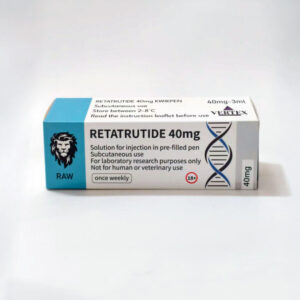
Raw Peptides
Raw Peptides
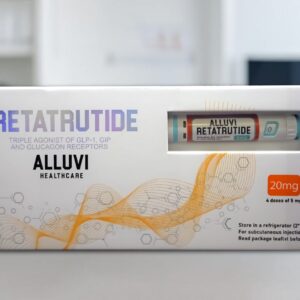
Alluvi Peptides
Alluvi Peptides
Raw Peptides
Alluvi Peptides
Alluvi Peptides
Synedica
Reviews
There are no reviews yet.